








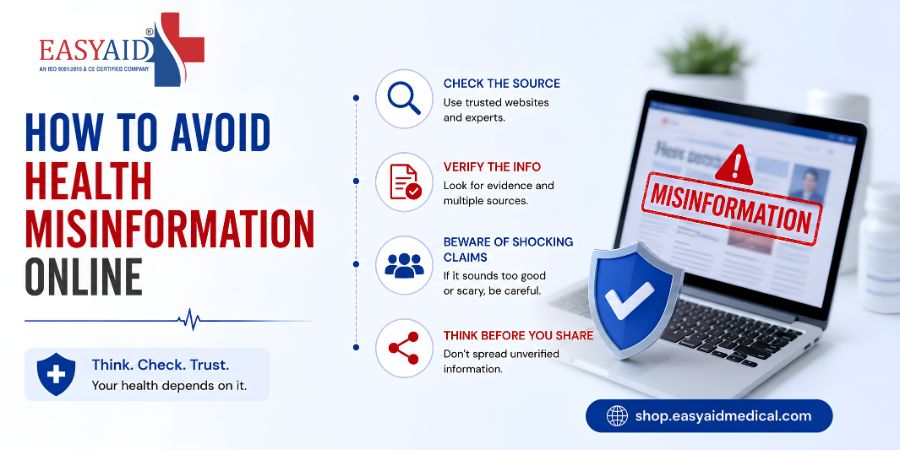
How to Avoid Health Misinformation Online
The internet has made health information more accessible than ever before. From social media videos to wellness blogs and online forums, millions of people search for medical advice online every day.
While digital access has improved health awareness, it has also created a serious challenge—health misinformation. False or misleading medical information can spread rapidly, influencing decisions about treatments, nutrition, supplements, and preventive care.
Learning how to identify unreliable health claims is an essential part of modern healthcare literacy. This guide explains how misinformation spreads, the risks it creates, and practical ways to evaluate health information safely and responsibly.
What is Health Misinformation?
Health misinformation refers to false, inaccurate, or misleading medical and wellness information shared online without proper scientific evidence or professional verification.
It may include:
- Fake medical claims
- Misleading supplement advice
- Unverified treatment methods
- Incorrect health statistics
Misinformation can appear convincing, especially on social media platforms.
Why Health Misinformation is Dangerous
False health information can affect real-life healthcare decisions.
Potential risks include the following:
- Delayed medical treatment
- Unsafe self-medication
- Fear and confusion
- Financial scams
- Poor health choices
Accurate information is essential for making safe and informed health decisions.
Why Health Misinformation Spreads So Quickly
Online content spreads rapidly because of:
1. Social Media Sharing
Posts can go viral within minutes.
2. Emotional Headlines
Sensational content attracts attention.
3. Lack of Fact-Checking
Many users share content without verification.
4. Influencer Culture
People may trust non-experts based on popularity.
This is why critical thinking is important when consuming online health content.
Common Types of Health Misinformation
Examples include:
- Miracle cure claims
- Extreme diet advice
- Unverified supplement benefits
- Fear-based medical content
- Fake “doctor-approved” promotions
Recognising these patterns helps improve digital health awareness.
How to Identify Reliable Health Information
Knowing how to evaluate information is key.
Look For:
- Trusted healthcare organizations
- Scientific or evidence-based content
- Qualified medical professionals
- Updated and referenced information
Reliable information is usually transparent and balanced.
Checklist to Avoid Health Misinformation Online
Use this practical checklist before trusting or sharing health content.
✅ 1. Check the Source
Ask:
- Is the website reputable?
- Is the information from a recognised healthcare organisation?
Reliable Sources Include:
- Government health agencies
- Hospitals and medical institutions
- Verified healthcare professionals
✅ 2. Verify the Author
Check whether the content is written or reviewed by:
- Doctors
- Researchers
- Qualified healthcare experts
Avoid anonymous or unclear authorship.
✅ 3. Watch for Extreme Claims
Be cautious of phrases like the following:
- “Instant cure”
- “Guaranteed results”
- “Secret remedy doctors don’t want you to know”
Healthcare information should be realistic and evidence-based.
✅ 4. Look for Scientific Evidence
Reliable content often references:
- Research studies
- Clinical evidence
- Medical guidelines
Claims without evidence should be approached carefully.
✅ 5. Check the Date
Health recommendations can change over time.
Always verify:
- Publication date
- Updated medical guidelines
✅ 6. Compare Multiple Sources
Do not rely on a single article or social media post.
Cross-check information from trusted healthcare websites.
✅ 7. Avoid Self-Diagnosis
Online information should not replace professional medical advice.
Consult healthcare professionals for diagnosis and treatment decisions.
Red Flags of Online Health Misinformation
| Red Flag | Why It’s Concerning |
|---|---|
| Miracle cure claims | Unrealistic promises |
| No scientific references | Lack of evidence |
| Fear-based language | Manipulates emotions |
| Anonymous authors | No accountability |
| Product-only focus | Possible marketing bias |
This table simplifies how to recognise misleading content.
Social Media and Health Misinformation
Social media platforms have become major sources of health advice.
Challenges Include:
- Viral misinformation
- Short-form oversimplified advice
- Unverified influencers
Best Practice
Always verify health content before following recommendations.
How Healthcare Literacy Helps
Healthcare literacy improves the ability to:
- Understand medical information
- Evaluate health claims critically
- Make informed healthcare decisions
Better awareness reduces the impact of misinformation.
Role of Lifestyle Awareness
Many misleading health claims target lifestyle and wellness trends.
Healthy Habits Still Matter Most
- Balanced nutrition
- Exercise
- Proper sleep
- Stress management
The Importance of Professional Medical Guidance
Healthcare professionals provide the following:
- Accurate diagnosis
- Personalized guidance
- Evidence-based recommendations
Online information should complement—not replace—professional care.
Common Mistakes People Make Online
Examples Include:
- Trusting viral posts blindly
- Following extreme health trends
- Self-medicating based on internet advice
- Ignoring professional consultation
Awareness helps prevent these mistakes.
Also Read – Difference Between Acute and Chronic Conditions
Healthcare Misinformation in India
India has seen rapid growth in digital health content, but misinformation remains a challenge due to:
- Language barriers
- Social media influence
- Lack of healthcare awareness in some regions
Improving digital healthcare literacy is increasingly important.
When to Seek Medical Advice
You should consult a healthcare professional when symptoms persist, worsen, or require proper diagnosis and treatment guidance.
Online content cannot replace personalised medical evaluation.
How to Build Healthy Information Habits
Best Practices
- Follow trusted healthcare sources
- Read evidence-based articles
- Stay updated with reliable information
- Think critically before sharing content
Responsible information habits support safer healthcare decisions.
Conclusion
In the digital age, access to health information is easier than ever—but so is exposure to misinformation. Learning how to identify and avoid health misinformation is essential for making informed and responsible healthcare decisions.
By using trusted sources, verifying claims, and seeking professional guidance, individuals can protect themselves from misleading information and build stronger healthcare awareness.
FAQs
1. What is health misinformation?
Health misinformation is false or misleading medical information shared without proper scientific evidence.
2. Why is health misinformation dangerous?
It can lead to unsafe decisions, delayed treatment, and confusion about healthcare.
3. How can I identify reliable health information online?
Check trusted sources, scientific evidence, and qualified authors.
4. Should I trust health advice on social media?
Only if it comes from verified healthcare professionals or trusted organisations.
5. Can online information replace medical advice?
No, online content should not replace professional diagnosis or treatment guidance.