








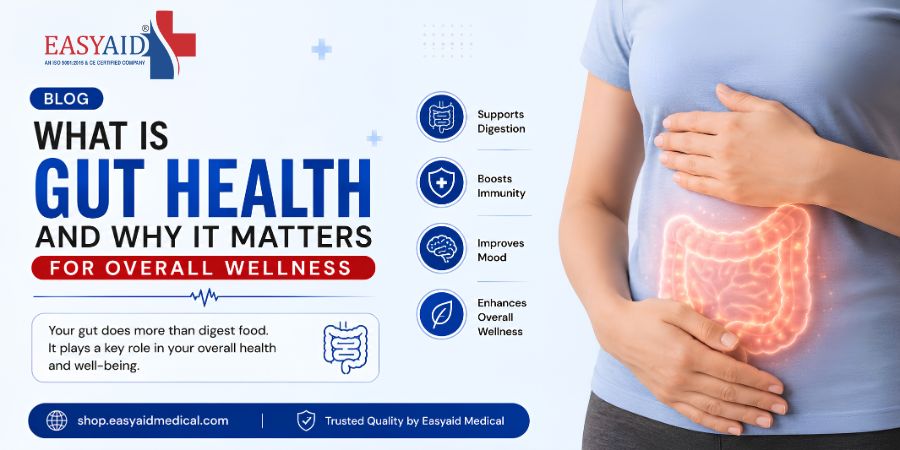
What is Gut Health and Why it Matter for Overall Wellness
Understanding what gut health means and how digestion works can make a big difference to everyday energy, mood, and immunity. This guide explains gut health in plain language, highlights why gut health matters for overall wellness, shows common signs of poor digestion, and gives practical food and lifestyle steps you can try before visiting a clinician. Below you’ll find simple signs to watch for and practical food- and lifestyle steps you can try at home.
What gut health means
Components of the digestive system
The digestive system runs from the mouth through the stomach and small and large intestines to the colon. Each part helps break down food, move it along, and absorb nutrients.
What the gut microbiome is
The gut microbiome is the community of microbes, bacteria, yeasts, and others that live mainly in the intestines. A healthy and diverse microbiome is good for digestion and overall health. It is like an internal ecosystem that requires the right environment and nutrition to prosper.
How digestion works, simply
Digestion breaks food down into nutrients through mechanical processes (chewing, stomach muscles) and chemical processes (enzymes, acids). Nutrients are mainly absorbed in the small intestine, and microbes help ferment fibre and produce small molecules the body can use.
The gut’s balance is influenced by diet, medicines (like antibiotics), sleep and stress. Small shifts in these factors can change which microbes are in charge and how digestion feels.
Why gut health affects overall wellness
Gut and immune function
Most of the immune system is connected to the gut. Gut lining and microbes influence how the body responds to germs and inflammation, so gut health is linked to immune resilience.
Gut-brain communication
The gut and brain communicate through nerves, hormones and chemical signals; this ‘gut-brain axis’ helps explain why digestion can change during stress or when mood shifts. For example, anxiety can speed or slow digestion for some people.
Metabolism and nutrient absorption
How well you digest and absorb nutrients affects energy, weight management and overall function. Microbes also influence how certain foods are processed, which can change nutrient availability and metabolic signals.
Some research links ongoing low-level gut inflammation to feeling tired and having disrupted metabolic signals; while not conclusive for every condition, this helps explain why gut health can affect energy and weight indirectly.
Common signs of poor digestion
Common everyday symptoms
Common everyday symptoms include:
- Bloating: feeling full or swollen after meals.
- Excess gas: passing more gas than usual.
- Heartburn: burning sensation after eating.
- Irregular stools: constipation or diarrhoea, or changes in stool form.
Occasional symptoms are common; frequency and pattern matter. Most people have intermittent digestion changes; look for consistent or worsening patterns rather than single episodes.
Patterns to track
Keep a simple symptom diary for one to two weeks, noting what you eat, stress levels, and timing of symptoms. Useful notes: meal, time, symptom, intensity (mild/moderate/severe), and possible triggers.
Example diary entry: 8:00am — idli; 10:30am — bloating starts; 1:00pm — heavier lunch; 7:30pm — loose stools. Tracking time, meals and stressors helps your clinician interpret patterns.
Red flags that need medical attention
Seek prompt medical attention for severe or worsening symptoms: intense abdominal pain, unexplained weight loss, blood in stool, persistent vomiting, or high fever. These are red flags and need clinician evaluation.
Foods and nutrients that support a healthy gut
Prebiotic-rich foods
Prebiotic fibres feed beneficial microbes. Foods include onions, garlic, bananas, whole grains (e.g., millets, oats), and legumes. Aiming for a serving of vegetables or fruit and a whole-grain portion daily helps provide prebiotic fibre. Portion examples: one small bowl of dal, one to two chapatis of whole grain, one cup of yoghurt, and one serving of fruit. Affordable swaps: replace polished rice with brown rice or millets and add a small bowl of beans to a meal.
Probiotic and fermented foods
Probiotic foods contain live cultures that can support digestion. Common options: plain yoghurt, kefir, idli/dosa starter (fermented batter), fermented vegetables like pickles or achar, and buttermilk. Start with small amounts to check tolerance.
Fiber, fluids and meal balance
Both soluble (oats, fruits, and legumes) and insoluble fibre (whole grains and vegetables) are useful — soluble helps soften stools, and insoluble adds bulk. Pair higher-fibre meals with extra fluids and include protein and vegetables at each meal to balance digestion.
Practical meal examples
Practical meal ideas:
- Day 1: Breakfast — poha with vegetables and a cup of plain yogurt; Lunch — dal, brown rice, vegetable sabzi; Snack — banana; dinner — lightly spiced fish or paneer with mixed veg and chapati.
- Day 2: Breakfast — oats porridge with banana and nuts; Lunch — lentil soup (dal) with millet roti and salad; Snack — buttermilk; Dinner — vegetable khichdi and steamed greens.
- Day 3: Breakfast — idli with sambar and coconut chutney; Lunch — rajma/chole with rice and salad; Snack — fruit and roasted chana; Dinner — grilled vegetable kebabs with quinoa or chapati.
Spices such as turmeric and foods rich in polyphenols (tea, curry spices) may support microbial diversity when used as part of balanced meals.
Daily habits that improve digestion
Eating habits and meal timing
Slow down when eating, aim for regular meal windows and avoid very large late dinners. A lighter dinner and consistent meal timing can help digestion for many people.
Simple schedule: breakfast within two hours of waking, a balanced lunch midday, and a lighter dinner at least two to three hours before bed. If you notice symptoms after a specific food, try removing it for a week to check.
Hydration and chewing
Hydration helps fibres move through the digestive tract – keep fluids coming across the day. Chew food thoroughly: small practices like putting utensils down between bites or taking a few extra chews can reduce bloating.
Avoid lying down immediately after a meal to reduce reflux; wait 20 to 30 minutes before resting.
Movement, sleep and stress
Gentle movement after meals (a short walk) can support digestion. Aim for consistent sleep and try simple stress‑reduction practices—deep breathing, short walks or yoga—which often ease digestive symptoms. If stress or sleep problems are severe, seek professional help.
The gut microbiome and the role of supplements
How probiotics and prebiotics work
Probiotics are live microbes that may temporarily add beneficial strains; prebiotics are fibres that feed existing microbes. Both can support gut function but are not guaranteed cures.
When supplements may help
Digestive health supplements are considered in specific situations, for example, after a course of antibiotics, during short-term digestive upset, or when dietary sources are insufficient. Try a food-first approach before long-term supplement use.
When to see a clinician and common tests
Red flags and next steps
If you notice any red-flag symptoms (severe pain, blood in stool, unexplained weight loss, persistent vomiting, or high fever), contact a clinician promptly. Start with a primary care provider who can refer you to a gastroenterologist if needed.
Common diagnostic tests
Common tests include blood work (to check for inflammation or anaemia), stool tests (to look for infection or markers), imaging (ultrasound, CT) and endoscopy for direct views of the digestive tract. Your clinician will advise which tests are appropriate.
Understanding IBS versus IBD
Irritable Bowel Syndrome (IBS) is a functional disorder where bowel habits and pain change without ongoing inflammation; Inflammatory Bowel Disease (IBD) involves chronic inflammation (e.g., Crohn’s, ulcerative colitis) and needs medical management. A clinician can help distinguish these.
Bring a short symptom diary, a list of current medicines (including OTC and supplements), recent weight changes and any prior test results. This makes appointments more efficient. If tests are unclear, ask your clinician whether a specialist referral or endoscopy would clarify the diagnosis.
Frequently asked questions
1. What exactly is the gut microbiome and why does it matter?
The gut microbiome is the community of microbes living mainly in the intestines. It matters because these microbes help digest fibre, produce small beneficial molecules, and influence digestion, immunity and metabolic signals.
2. Which everyday foods help improve gut health?
Everyday foods that support gut health include high-fibre vegetables, fruits, whole grains, legumes, and fermented items like yoghurt, idli, or buttermilk. Aim for variety and regular servings to feed diverse microbes.
3. How can I tell if my digestive symptoms need a doctor?
See a clinician promptly for red flags: severe or worsening abdominal pain, blood in stool, unexplained weight loss, persistent vomiting, or high fever. For other symptoms, track patterns and talk to your clinician.
4. Are probiotics safe, and when should I take them?
Probiotics are generally safe for most people; they may help short-term after antibiotics or during acute upset. Try food sources first and consult a clinician before starting supplements long-term or if you have health conditions.
5. Can stress and sleep problems cause digestive issues?
Yes. Stress and poor sleep can change digestion and worsen symptoms like bloating or irregular stools. Managing stress, improving sleep and using simple relaxation techniques can help alongside dietary steps.