








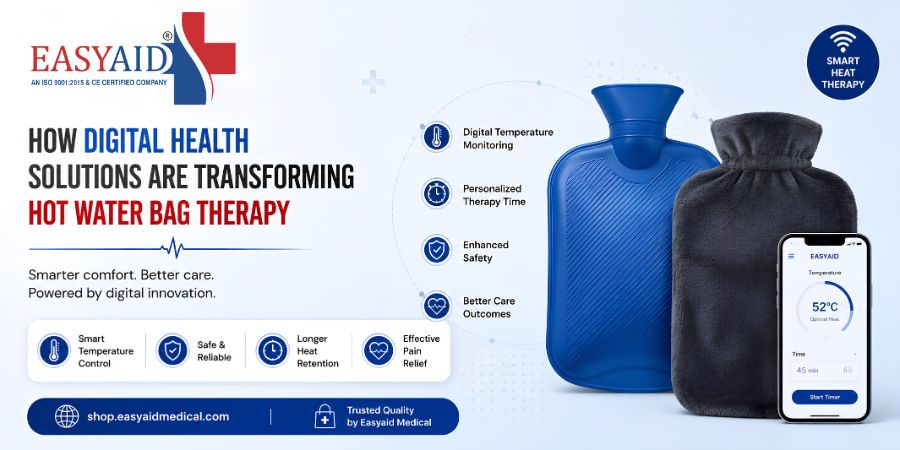
How Digital Health Solutions Are Transforming Hot Water Bag Therapy
The application of heat through a hot water bag for relieving tension and cramping has existed since time immemorial. This technique involves applying heat to the body part that is experiencing tension, cramping, stiffness, etc. The use of digital solutions today ensures that this home therapy can be made more efficient, convenient, and effective by making the treatment process easy to monitor. For healthcare organisations and wellness companies and medical device manufacturers, custom medical software development services will ensure that the heat therapy can be incorporated into apps.
This is not about complicating the heat therapy process. It’s about educating people on the right way to relieve the body of tension and pain through the use of heat therapy.
Why hot water bag therapy still matters
Hot water bottles continue to be common owing to their affordability, ease of use, and convenience at home settings. They are usually used to relieve pain such as menstrual cramps, muscle tension, backache, stiffness, and relaxation.
Application of heat could help improve the comfort of the user by easing tension within the body and improving circulation in the area being treated. However, there are certain instances where the use of heat may not be appropriate for a patient including swelling, injuries, burns, numbness, and health problems.
The problem with the use of conventional hot water bottles is that it requires assumptions when determining the temperature of the water and duration of application. Digital technology can assist in avoiding these challenges.
How digital tools make heat therapy safer
The basic model of the hot water bag does not have a feature to alert users about excessively high temperatures and over-length sessions. These aspects can be dangerous for kids, older patients, people with impaired sensitivity, and those who go to sleep during treatment.
A digital product can ensure additional patient safety by providing features such as:
- Monitoring temperatures
- Sessions counters
- Alerts on a mobile device
- Tracking product age
- Reminders
- Safety guidelines
For instance, a smart device can alert the user regarding temperatures exceeding the safe level. The mobile application can remind the users to put on a cover around the product and end the session according to the suggested recommendations.
Such minor changes can significantly boost the effectiveness of the well-known therapy without altering its basic essence.
Personalized use instead of guesswork
Traditional hot water bag therapy pretty much always looks the same on paper, but real life is a bit messier, because not everyone needs the exact same kind of help. Someone dealing with cramps might use heat in a different way than a person who is dealing with muscle tension after exercise.
A digital health app can make heat therapy feel more personal by checking things like where the pain shows up, how strong it feels, how long each session lasts, how often someone uses it, the level of relief afterwards, and also how sensitive the skin is during use.
With those signals, the app can nudge safer habits, and it can help users notice patterns over time. It should of course not be used as a substitute for medical advice. Still, it can encourage better self-care, you know, in a steady kind of way. And if someone logs severe pain, or pain that keeps coming back, the app can suggest reaching out to a healthcare professional before it turns into something bigger.
Better tracking for recurring symptoms
A lot of people keep using hot water bags again and again, but they don’t really pay attention to how often or how well the whole therapy seems to go. Most times, they don’t track it , and then it gets kind of blurry. Without any kind of records, it is hard to see if the symptoms get better, get worse, or end up following some sort of pattern.
Digital platforms can make the logging feel a lot easier. Users can note each session, like the pain level before and after heat, what body area gets treated, session length, the time of day, any possible triggers and how much relief happens afterwards.
Having this kind of data helps people understand their discomfort in a clearer way. It can also support healthcare providers when they talk with the patient. If someone shows symptom patterns over a few weeks, a doctor usually has more meaningful context than a vague memory of pain that sort of just comes and goes.
Smart reminders improve consistency
Heat therapy can be more useful when people actually apply it properly and keep doing it regularly. Still, folks may forget the timing, they might overdo the sessions, or just skip safety steps , which happens more than you’d think.
A mobile app can send quick nudges to start or finish a session, also to check the skin condition, and to avoid falling asleep with the bag. It can remind users to swap an old product too. And it can warn them not to use boiling water and not to put the bag straight on bare skin.
Education built into the experience
Not many people read the safety instructions. The digital medium can help educate users by presenting them with tips just at the right time.
Rather than reading through the entire instruction manual, a user-friendly app will present them with useful tips like:
- Don’t boil water in your appliance
- Don’t place the bag directly on skin
- Cease operation if skin turns red or becomes irritated
- Do not use the product in areas where there is reduced sensitivity to touch
- Don’t use the bag if it’s leaking or is damaged
- Consult a doctor if pain persists
Features a digital hot water bag platform may include the following:
A digital health solution for hot water bag therapy can stay pretty simple or, you know, get a bit more advanced depending on what the product is trying to do in the end.
For a basic app, you might see a session timer plus safety reminders; maybe a pain diary; educational content; product age tracking, and yes push notifications. But it can also feel less like “features” and more like basic guidance, you know, straightforward.
A connected solution then usually goes further; it may include temperature monitoring, a Bluetooth connection and therapy history. You can also find personal profiles, a clinician dashboard, remote care reports, AI-based pattern detection, or telehealth integration, basically expanding the whole loop.
The best feature set really depends on the audience. A wellness-style product often only needs simple reminders and light tracking. A medical-grade solution, on the other hand, may need stronger compliance, testing, and careful data protection, not just convenience.
Data privacy and security considerations
Even a heat therapy app can quietly collect sensitive information. Pain logs, symptoms, body areas, treatment notes, and those personal details… they can end up showing private health patterns, not just “wellness stuff”. In other words, it’s not always as harmless as it seems.
Digital health platforms should have secure login, data encryption, clear consent, safer storage, role-based access, options to delete data, and a way to share information securely with clinicians. Privacy matters even in simple wellness apps. And if the solution connects to clinics, telehealth platforms, or patient records, then security requirements become stronger, a lot more strict, really.
The role of AI in heat therapy platforms
AI can add some value when it is used carefully and not like a magic solution or something. It can spot patterns inside symptom logs, then maybe suggest when a person should take a moment to review their therapy habits or even flag signs that pain is not really improving in a steady way.
For instance, if someone reports really high pain levels a few times a week even though they still do regular heat therapy, the app could suggest that they seek professional advice, just to be safe.
AI should not diagnose any condition or replace a doctor. It tends to work best as a support layer; it sorts the data and gently nudges safer behaviour instead of stepping in too far.
Final thoughts
Hot water bag therapy is kinda simple, pretty familiar, and useful for a lot of people. Digital health solutions do not erase that simplicity; they sort of keep it and also make the whole experience safer, more trackable, and more tailored.
With mobile apps, sensors, reminders, learning materials, and remote check-ins, businesses can turn classic heat therapy into a smarter self-care approach. The best solutions help people apply heat correctly, interpret symptoms more clearly, and recognise when they should get professional care.