








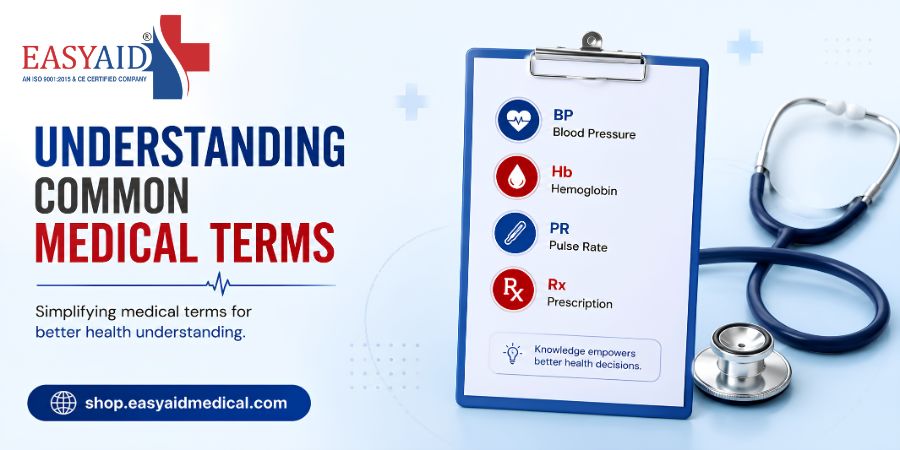
Understanding Common Medical Terms
Medical language can often feel confusing and overwhelming, especially when reading prescriptions, diagnostic reports, or healthcare articles. Many medical terms are based on Latin or scientific terminology, making them difficult for the average person to understand.
Improving your understanding of healthcare vocabulary is an important part of health awareness and patient education. This guide on medical terms explained simplifies commonly used medical words and phrases so you can feel more confident when discussing health-related topics.
Whether you are reading a lab report, speaking with a doctor, or researching symptoms online, understanding basic medical terminology can help you make better-informed healthcare decisions.
Why Understanding Medical Terms Is Important
Understanding medical terms helps patients communicate effectively with healthcare providers, follow treatment instructions correctly, and make informed health decisions.
Benefits Include:
- Better understanding of diagnoses
- Improved communication with doctors
- Reduced confusion about treatments
- Increased healthcare confidence
Healthcare literacy begins with understanding basic terminology.
How Medical Terms Are Structured
Many medical terms are made up of three parts:
| Part | Meaning | Example |
|---|---|---|
| Prefix | Beginning of the term | “Hyper” = excessive |
| Root Word | Main meaning | “Cardio” = heart |
| Suffix | End of the term | “-itis” = inflammation |
Example
Arthritis
- Arthr = joint
- itis = inflammation
👉 Meaning: inflammation of the joints
Understanding these structures makes medical language easier to decode.
Common Medical Terms Explained
Below are commonly used healthcare terms explained in simple language.
Acute
Meaning: A condition that develops suddenly and lasts for a short time.
Example:
Acute fever or acute injury.
Chronic
Meaning: A long-term condition that persists over time.
Example:
Chronic stress or chronic diabetes.
Diagnosis
Meaning: Identification of a disease or health condition by a healthcare professional.
Inflammation
Meaning: The body’s natural response to injury or infection, often causing redness, swelling, or pain.
Hypertension
Meaning: High blood pressure.
Why It Matters:
It increases the risk of heart disease and stroke.
Hypotension
Meaning: Low blood pressure.
Immunity
Meaning: The body’s ability to fight infections and diseases.
Metabolism
Meaning: The process by which the body converts food into energy.
Symptoms
Meaning: Physical or mental signs that indicate a health condition.
Examples:
Fever, fatigue, headache.
Prognosis
Meaning: The expected outcome or recovery prediction for a medical condition.
Medical Terms Commonly Seen in Reports
| Medical Term | Simple Meaning |
|---|---|
| Benign | Non-cancerous |
| Malignant | Cancerous |
| BP | Blood Pressure |
| CBC | Complete Blood Count |
| ECG/EKG | Heart activity test |
| MRI | Imaging scan for internal organs |
| BMI | Body Mass Index |
This quick-reference table improves healthcare understanding.
Prescription Terms Explained
Prescription labels often contain abbreviations that may seem confusing.
| Abbreviation | Meaning |
|---|---|
| OD | Once daily |
| BD | Twice daily |
| TDS | Three times daily |
| SOS | Take when needed |
| PRN | As required |
Important Tip
Always confirm unclear instructions with a healthcare professional.
Understanding Common Diagnostic Terms
Positive Result
Indicates the presence of a condition or marker.
Negative Result
Indicates absence of a condition or marker.
Normal Range
Expected healthy values for a test result.
Understanding these terms helps reduce anxiety while reading reports.
Medical Terms Related to Mental Health
Anxiety
Persistent feelings of worry or fear.
Depression
A mood disorder causing prolonged sadness.
Burnout
Emotional and mental exhaustion due to stress.
Mental health terminology is becoming increasingly important in modern healthcare.
How Healthcare Literacy Improves Health Outcomes
Understanding medical language helps individuals:
- Follow treatment plans correctly
- Ask informed questions
- Avoid misunderstandings
- Make healthier choices
Good healthcare literacy leads to better long-term well-being.
Role of Lifestyle in Health Awareness
Healthy habits support both physical and mental wellness.
Key Factors Include:
- Balanced nutrition
- Regular exercise
- Sleep quality
- Stress management
Common Mistakes People Make with Medical Information
Examples:
- Self-diagnosing online
- Misunderstanding prescriptions
- Ignoring medical advice
- Confusing symptoms with diseases
Accurate understanding is essential for safe healthcare decisions.
Tips to Understand Medical Information Better
1. Ask Questions
Never hesitate to ask healthcare providers for clarification.
2. Use Trusted Sources
Rely on credible medical websites and professionals.
3. Learn Basic Medical Vocabulary
Understanding common terms improves confidence.
4. Keep Personal Health Records
Track reports, prescriptions, and test results.
Healthcare Awareness in India
Healthcare literacy in India is improving due to:
- Digital health platforms
- Increased awareness campaigns
- Better internet access
However, language barriers and misinformation still remain challenges.
When to Seek Professional Guidance
You should consult healthcare professionals if:
- Medical information feels confusing
- Symptoms persist
- You are unsure about treatment instructions
Professional advice ensures safer healthcare decisions.
Conclusion
Understanding medical terminology is an essential part of healthcare literacy. This guide on medical terms explained helps simplify complex healthcare language so you can communicate more confidently and make informed health decisions.
Improving your understanding of medical information empowers you to take better control of your health and overall well-being.
FAQs
1. Why is it important to understand medical terms?
It helps patients understand diagnoses, treatments, and healthcare instructions more effectively.
2. What does chronic mean in medical terms?
Chronic refers to a long-term condition that persists over time.
3. What is the difference between acute and chronic?
Acute conditions occur suddenly and short-term, while chronic conditions develop gradually and last longer.
4. What does BP mean in medical reports?
BP stands for blood pressure.
5. How can I improve my healthcare literacy?
By learning common medical terms, asking questions, and using trusted healthcare resources.