








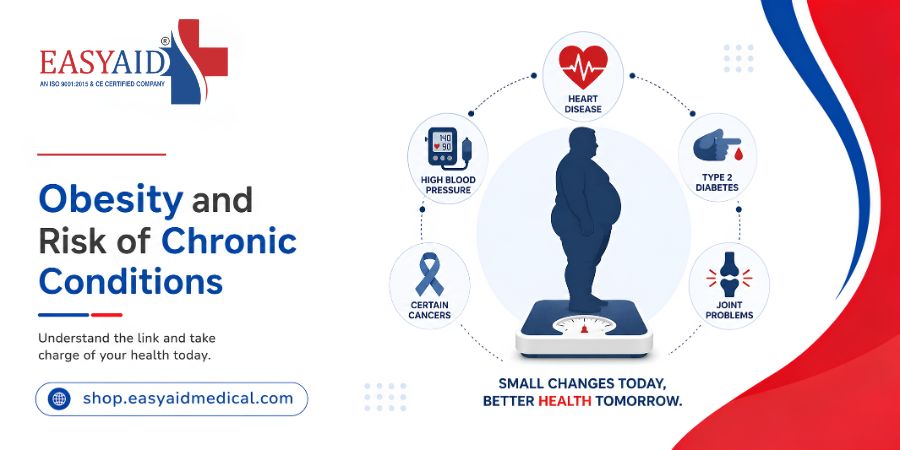
Obesity and Risk of Chronic Conditions
Obesity has become one of the most significant public health challenges worldwide. While many people associate obesity primarily with body weight or appearance, its impact extends far beyond the number on a scale.
Healthcare professionals increasingly view obesity as a complex health condition influenced by genetics, lifestyle, environment, and metabolic factors. More importantly, obesity is associated with an increased risk of several chronic health conditions that can affect quality of life over time.
Understanding obesity health risks is not about fear or judgment. Instead, it is about awareness. When people understand how excess body weight may affect overall health, they are better equipped to make informed decisions and adopt healthier lifestyle habits.
This guide explains obesity in simple terms, explores its connection to chronic conditions, and highlights practical lifestyle strategies that support long-term wellness.
What is obesity?
Obesity is a health condition characterised by excess body fat that may increase the risk of certain chronic diseases and affect overall health and well-being.
Healthcare professionals often use several indicators to assess weight-related health risks, including body composition, waist circumference, and body mass index (BMI).
Obesity is influenced by multiple factors and should be understood as a health issue rather than simply a matter of appearance.
Why Obesity Matters
Body weight affects many systems within the body.
When excess body fat accumulates over time, it may place additional stress on:
- The cardiovascular system
- Metabolic processes
- Joints and bones
- Respiratory function
- Overall physical mobility
Understanding these effects helps explain why obesity is linked to chronic health concerns.
The Growing Global Health Challenge
Over the past few decades, obesity rates have increased in many countries.
Several modern lifestyle factors contribute to this trend:
Common Contributors
- Sedentary lifestyles
- Increased screen time
- Highly processed foods
- Irregular sleep patterns
- Chronic stress
While individual experiences vary, these factors can influence long-term health outcomes.
How Obesity Affects the Body
Simple Health Impact Diagram
Excess Body Fat
        ↓
Increased Stress on Body Systems
        ↓
Metabolic and Cardiovascular Changes
        ↓
Higher Risk of Chronic Conditions
This simplified diagram illustrates why maintaining overall health and wellness is important.
Obesity and Chronic Disease Risk
One of the primary reasons healthcare professionals focus on obesity is its association with chronic diseases.
A chronic condition is a health issue that develops gradually and often requires long-term management.
1. Cardiovascular Health Concerns
The heart works continuously to pump blood throughout the body.
Excess body weight may place additional demands on the cardiovascular system.
Potential Effects Include
- Increased workload on the heart
- Changes in blood pressure regulation
- Altered cholesterol balance
Maintaining heart health is a key aspect of overall wellness.
2. Type 2 Diabetes Risk
Obesity is often discussed alongside metabolic health.
Excess body fat, particularly around the abdominal area, may affect how the body responds to insulin.
Why It Matters
Insulin plays an important role in:
- Blood sugar regulation
- Energy production
- Metabolic function
This connection highlights the importance of preventive healthcare awareness.
3. Joint and Mobility Challenges
Body weight influences the amount of pressure placed on joints.
Commonly Affected Areas
- Knees
- Hips
- Lower back
- Ankles
Over time, additional strain may affect comfort and mobility.
4. Respiratory Health
Excess body weight may influence breathing patterns and respiratory function.
Potential Effects
- Reduced physical endurance
- Breathing discomfort during activity
- Sleep-related breathing issues
Respiratory health is an important component of overall well-being.
5. Sleep Quality and Recovery
Sleep plays a critical role in physical and mental health.
Poor sleep and obesity often influence each other.
Effects May Include
- Daytime fatigue
- Reduced recovery
- Lower energy levels
- Impaired wellness habits
Healthy sleep supports long-term health goals.
Common Obesity Health Risks
Common obesity health risks include:
- Cardiovascular disease
- Type 2 diabetes
- High blood pressure
- Joint problems
- Sleep-related disorders
- Metabolic health concerns
- Reduced mobility
Awareness of these risks encourages proactive health management.
Understanding Obesity Beyond Weight
Weight alone does not tell the full health story.
Several factors influence health outcomes:
Important Considerations
- Physical activity levels
- Nutrition quality
- Sleep habits
- Stress management
- Family history
- Metabolic health
A holistic approach provides a more complete understanding of wellness.
Obesity and Mental Well-Being
Physical health and mental health are closely connected.
Living with obesity may affect:
- Self-confidence
- Emotional well-being
- Social participation
- Stress levels
A supportive, health-focused approach is more beneficial than stigma or blame.
Obesity and Lifestyle Factors
Lifestyle habits play a major role in overall health.
Nutrition
Balanced eating patterns support wellness.
Helpful Habits
- Eating more fruits and vegetables
- Choosing whole grains
- Including lean protein sources
- Limiting ultra-processed foods
Physical Activity
Regular movement supports:
- Cardiovascular health
- Muscle strength
- Energy balance
- Mobility
Even small increases in activity can contribute to overall wellness.
Sleep
Healthy sleep habits support:
- Recovery
- Hormonal balance
- Energy regulation
Consistency matters.
Stress Management
Chronic stress may influence eating habits and overall health behaviours.
Helpful strategies include:
- Meditation
- Walking
- Deep breathing exercises
- Time management
Obesity and Modern Lifestyle Challenges
Today’s environment often makes healthy habits difficult.
Common Challenges
- Desk jobs
- Long screen hours
- Convenience foods
- Busy schedules
- Reduced physical movement
Recognising these challenges is the first step toward healthier choices.
Daily Habits That Support Long-Term Wellness
✅ Move More Throughout the Day
Walking and regular movement support overall health.
✅ Choose Balanced Meals
Focus on variety and nutrient-rich foods.
✅ Prioritize Sleep
Aim for a consistent sleep schedule.
✅ Manage Stress Effectively
Build healthy coping mechanisms.
✅ Schedule Preventive Health Check-Ups
Regular screenings support health awareness.
The Importance of Preventive Healthcare
Routine healthcare visits help individuals understand their overall health profile.
Preventive screenings may include:
- Blood pressure monitoring
- Cholesterol screening
- Blood sugar assessments
- Weight and wellness evaluations
Early awareness supports informed decision-making.
Common Myths About Obesity
Myth 1: Obesity Is Only About Willpower
Obesity is influenced by multiple biological, environmental, and lifestyle factors.
Myth 2: Thin People Always Have Better Health
Health is influenced by many factors beyond body weight alone.
Myth 3: Rapid Weight Loss Is Always Better
Sustainable lifestyle habits are generally more effective than extreme approaches.
Myth 4: Physical Activity Only Matters for Weight Loss
Exercise supports cardiovascular, metabolic, and mental health regardless of weight goals.
When Should You Speak With a Healthcare Professional?
You should consult a healthcare professional if you have concerns about body weight, metabolic health, cardiovascular wellness, or other chronic disease risk factors.
Professional guidance can help provide personalised recommendations based on individual health needs.
Building a Healthier Lifestyle
Long-term wellness is built through consistent habits rather than short-term solutions.
Small changes often create meaningful results:
- Taking daily walks
- Improving sleep habits
- Eating balanced meals
- Reducing sedentary time
- Managing stress
Sustainable habits are easier to maintain and support lifelong health.
Conclusion
Understanding obesity health risks is an important part of preventive healthcare awareness. Obesity is associated with an increased risk of several chronic conditions, including cardiovascular concerns, metabolic health challenges, mobility issues, and sleep-related problems.
Rather than focusing solely on body weight, a broader approach that emphasises healthy habits, preventive care, and overall wellness can support better long-term outcomes.
Small, consistent lifestyle improvements can have a positive impact on health and quality of life over time.
Frequently Asked Questions (FAQs)
1. What are the main obesity health risks?
Common obesity health risks include cardiovascular disease, type 2 diabetes, high blood pressure, joint problems, and metabolic health concerns.
2. How does obesity affect long-term health?
Obesity may increase the likelihood of developing chronic conditions that affect cardiovascular, metabolic, and musculoskeletal health.
3. Can lifestyle habits influence obesity-related health risks?
Yes. Nutrition, physical activity, sleep quality, and stress management all contribute to overall health and wellness.
4. Why is obesity linked to chronic diseases?
Excess body fat may influence metabolic processes, cardiovascular function, and other body systems over time.
5. When should someone seek professional advice about obesity?
Individuals with concerns about weight, chronic disease risk, or overall health should consult a qualified healthcare professional.