








Early Signs of Mental Burnout
In today’s demanding work culture, long hours, constant pressure, and lack of rest can lead to a serious yet often overlooked condition—mental burnout. Many people ignore early warning signs until it begins to affect their productivity, relationships, and overall health.
Recognising mental burnout signs early is essential to prevent long-term emotional and physical damage. This guide explores the symptoms, causes, and practical strategies to restore balance and protect your well-being.
What Is Mental Burnout?
Mental burnout is a state of emotional, physical, and mental exhaustion caused by prolonged stress, especially related to work or daily responsibilities.
It often results from:
- Chronic workplace pressure
- Lack of work-life balance
- Continuous mental strain
Why Mental Burnout Is Increasing Today
Modern lifestyles contribute significantly to burnout.
Key Factors:
- Long working hours
- Digital overload
- High expectations
- Limited rest and recovery
The blurred boundaries between work and personal life make burnout more common than ever.
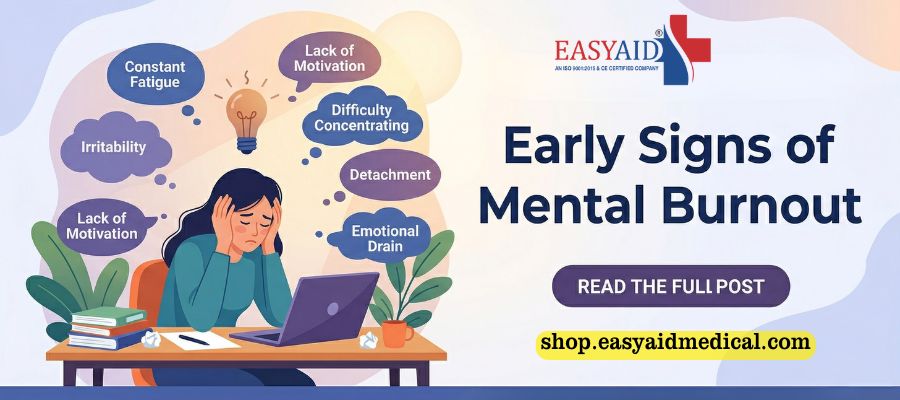
Early Mental Burnout Signs
Recognising early symptoms can help you take action before burnout worsens.
Common signs include the following:
- Constant fatigue even after rest
- Lack of motivation
- Difficulty concentrating
- Increased irritability
- Feeling overwhelmed
- Reduced productivity
- Emotional detachment
These mental burnout signs often develop gradually, making them easy to overlook.
Emotional Symptoms of Burnout
Burnout affects emotional well-being significantly.
Key Emotional Signs:
- Anxiety and stress
- Mood swings
- Feeling helpless or trapped
- Loss of interest in work or activities
Physical Symptoms of Burnout
Mental stress often manifests physically.
Common Physical Signs:
- Headaches
- Sleep disturbances
- Muscle tension
- Low energy levels
The mind-body connection plays a major role in burnout.
Behavioral Changes to Watch For
Burnout can also change your behaviour.
Examples:
- Procrastination
- Withdrawal from social interactions
- Increased dependence on caffeine or unhealthy habits
- Decline in performance
Work-Life Imbalance: The Root Cause
One of the biggest contributors to burnout is poor work-life balance.
How It Impacts You:
- Reduces recovery time
- Increases stress levels
- Affects personal relationships
Maintaining balance is essential for preventing burnout.
How Burnout Affects Productivity and Health
Burnout doesn’t just affect your mood—it impacts your entire life.
Effects Include:
- Reduced efficiency at work
- Poor decision-making
- Increased risk of health issues
- Emotional exhaustion
How to Prevent Mental Burnout
You can prevent burnout by maintaining work-life balance, managing stress, taking breaks, and prioritising self-care.
Effective Strategies:
1. Set Boundaries
Define clear work and personal time.
2. Take Regular Breaks
Short breaks improve focus and reduce stress.
3. Practise Stress Management
Meditation, breathing exercises, and relaxation techniques help.
4. Prioritize Sleep
Quality sleep is essential for recovery.
5. Stay Physically Active
Exercise reduces stress and improves mood.
Role of Lifestyle in Preventing Burnout
Healthy habits play a crucial role in mental well-being.
Focus on:
- Balanced nutrition
- Regular exercise
- Adequate rest
- Stress management
Learn more about improving your lifestyle here:
👉 https://easyaidmedical.com/blog.html
When to Seek Help
You should seek professional help if burnout symptoms persist, worsen, or interfere with daily functioning.
Warning Signs:
- Severe fatigue
- Persistent anxiety or depression
- Inability to perform daily tasks
Professional support can help you recover effectively.
Recovery from Mental Burnout
Recovery takes time and consistent effort.
Steps to Recover:
- Reduce workload temporarily
- Focus on self-care
- Reconnect with hobbies
- Seek emotional support
Building Long-Term Resilience
Preventing burnout requires long-term strategies.
Key Practices:
- Time management
- Setting realistic goals
- Maintaining social connections
- Practicing gratitude
Resilience helps you handle stress more effectively.
Conclusion
Mental burnout is a serious condition that can affect every aspect of your life. Recognising early mental burnout signs allows you to take proactive steps to restore balance and protect your well-being.
By prioritising work-life balance, adopting healthy habits, and managing stress effectively, you can prevent burnout and maintain long-term mental health.
FAQs
1. What are the early signs of mental burnout?
Early signs include fatigue, lack of motivation, irritability, and difficulty concentrating.
2. What causes mental burnout?
It is caused by prolonged stress, especially from work-related pressure and poor work-life balance.
3. How can I prevent burnout?
By managing stress, taking breaks, maintaining balance, and prioritising self-care.
4. Can burnout affect physical health?
Yes, it can cause headaches, sleep problems, and low energy.
5. When should I seek help for burnout?
If symptoms persist or interfere with daily life, professional help is recommended.