








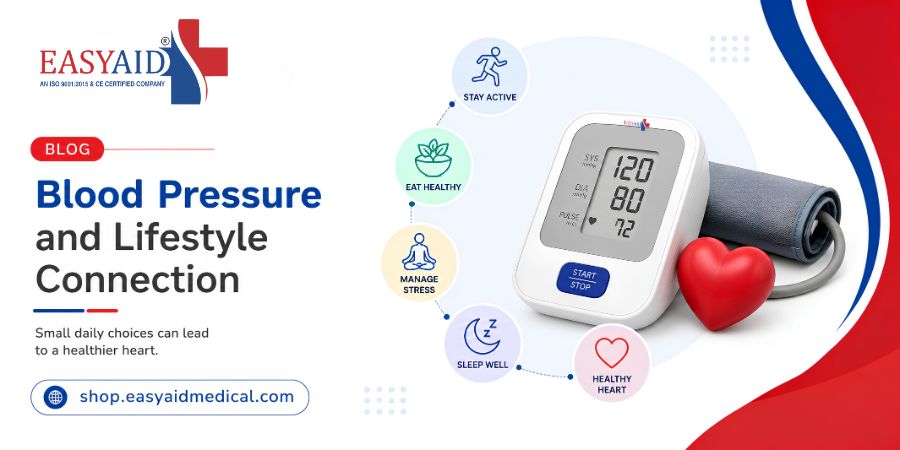
Blood Pressure and Lifestyle Connection
Blood pressure is one of the most important indicators of overall health, yet it often receives attention only during medical check-ups. Many people are surprised when a routine screening reveals changes in their blood pressure levels, especially when they feel perfectly healthy.
The reality is that blood pressure is closely linked to daily lifestyle habits. What you eat, how active you are, the quality of your sleep, and even how you manage stress can influence cardiovascular health over time.
Understanding the relationship between blood pressure and lifestyle factors can help individuals make informed choices that support long-term wellness. While genetics and age play a role, many aspects of blood pressure are connected to everyday behaviours that are within our control.
This guide explains blood pressure in simple terms, explores how lifestyle habits influence cardiovascular health, and highlights practical strategies for maintaining a healthy lifestyle.
What is blood pressure?
Blood pressure is the force of blood pushing against the walls of the arteries as the heart pumps blood throughout the body.
Every heartbeat creates pressure that helps deliver oxygen and nutrients to organs and tissues.
Blood pressure is typically recorded using two numbers:
- Systolic pressure (top number)
- Diastolic pressure (bottom number)
Together, these measurements provide insight into cardiovascular function.
Why Blood Pressure Matters
Blood circulation is essential for survival. Blood pressure helps ensure that oxygen-rich blood reaches every part of the body.
Healthy blood pressure supports:
- Heart function
- Brain health
- Kidney function
- Circulation
- Overall wellness
Maintaining balanced blood pressure is an important part of preventive healthcare.
Understanding Blood Pressure Numbers
When a healthcare professional measures blood pressure, two values are recorded.
| Measurement | Meaning |
|---|---|
| Systolic Pressure | Pressure when the heart contracts |
| Diastolic Pressure | Pressure when the heart relaxes between beats |
Understanding these numbers helps improve healthcare literacy and awareness.
How Blood Pressure Works
Simple Blood Pressure Flow Diagram
Heart Pumps Blood
        ↓
Blood Travels Through Arteries
        ↓
Pressure Created in Artery Walls
        ↓
Oxygen Delivered Throughout Body
This process occurs continuously to support normal body functions.
The Strong Connection Between Blood Pressure and Lifestyle
Many people assume blood pressure is determined only by age or family history. While those factors matter, lifestyle habits also play a major role.
Key lifestyle factors include the following:
- Diet and nutrition
- Physical activity
- Sleep quality
- Stress management
- Weight management
- Tobacco and alcohol use
Small lifestyle choices made every day can influence cardiovascular wellness over time.
Nutrition and Blood Pressure
Food choices affect many aspects of health, including blood pressure.
Habits That Support Overall Cardiovascular Wellness
- Eating more fruits and vegetables
- Including whole grains
- Choosing lean protein sources
- Staying hydrated
- Limiting highly processed foods
A balanced eating pattern contributes to overall heart health and wellness.
Physical Activity and Blood Pressure
Regular movement supports healthy circulation and cardiovascular function.
Benefits of Staying Active
- Supports heart health
- Improves circulation
- Helps maintain healthy body weight
- Supports overall energy levels
Activities may include:
- Walking
- Cycling
- Swimming
- Yoga
- Strength training
Consistency is often more important than intensity.
The Role of Sleep in Blood Pressure Health
Sleep is one of the most overlooked lifestyle factors.
During sleep, the body undergoes important recovery processes that support cardiovascular wellness.
Poor sleep habits may affect the following:
- Energy levels
- Stress response
- Daily performance
- Overall health balance
Adults should aim for consistent sleep schedules whenever possible.
Stress and Blood Pressure
Modern life often involves ongoing stress from work, finances, family responsibilities, and digital overload.
When stress occurs, the body activates its natural “fight-or-flight” response.
Short-Term Effects May Include:
- Increased heart rate
- Temporary blood pressure changes
- Muscle tension
Managing stress effectively supports both mental and physical well-being.
Common Sources of Lifestyle Stress
Workplace Pressure
Long working hours and constant deadlines can contribute to stress.
Digital Overload
Continuous notifications and screen exposure can affect relaxation and recovery.
Lack of Work-Life Balance
Insufficient personal time may increase mental fatigue.
Building healthier routines can help improve overall wellness.
Weight Management and Blood Pressure
Body weight is one of several factors that may influence cardiovascular health.
Healthy lifestyle habits that support weight management include:
- Balanced nutrition
- Regular movement
- Consistent sleep
- Stress management
The focus should always be on overall health rather than quick-fix solutions.
Smoking, Alcohol, and Cardiovascular Wellness
Certain lifestyle habits can affect cardiovascular function.
Smoking
Smoking may negatively affect blood vessels and circulation.
Excessive Alcohol Consumption
Heavy alcohol use may influence cardiovascular health and overall wellness.
Making informed lifestyle choices supports long-term health goals.
Also Read – Cholesterol Explained in Simple Words
Daily Habits That Support Healthy Blood Pressure
✅ Stay Physically Active
Aim to include movement throughout the day.
✅ Eat Balanced Meals
Focus on nutrient-rich foods and variety.
✅ Prioritize Sleep
Maintain a regular sleep routine.
✅ Manage Stress
Practice relaxation techniques and mindfulness.
✅ Stay Hydrated
Proper hydration supports overall body function.
✅ Attend Regular Health Check-Ups
Preventive care supports long-term wellness.
Blood Pressure and Modern Lifestyle Challenges
Today’s lifestyle presents unique health challenges.
Common Examples
- Desk-based work
- Long screen hours
- Reduced physical activity
- Fast-food consumption
- Chronic stress
Awareness is the first step toward healthier habits.
Preventive Healthcare and Blood Pressure Monitoring
Routine health screenings provide valuable information about overall health.
Regular monitoring can help individuals:
- Track changes over time
- Understand health trends
- Have informed discussions with healthcare professionals
Preventive healthcare plays an important role in long-term wellness.
Common Myths About Blood Pressure
Myth 1: High Blood Pressure Always Causes Symptoms
Many people experience no noticeable symptoms.
Myth 2: Only Older Adults Need to Monitor Blood Pressure
Blood pressure awareness is important for adults of all ages.
Myth 3: Healthy Lifestyle Habits Don’t Matter If High Blood Pressure Runs in the Family
Lifestyle choices remain an important part of overall cardiovascular health.
Myth 4: Feeling Fine Means Blood Pressure Is Normal
Blood pressure cannot be determined based on how someone feels.
Regular monitoring is important.
When Should You Consult a Healthcare Professional?
You should consult a healthcare professional if you have concerns about your blood pressure readings, cardiovascular health, or overall wellness.
Professional guidance helps individuals better understand their personal health situation and appropriate next steps.
Building a Heart-Healthy Lifestyle
Improving lifestyle habits doesn’t require drastic changes.
Small steps often create sustainable results:
- Walking more frequently
- Choosing balanced meals
- Improving sleep habits
- Managing daily stress
- Scheduling preventive health screenings
Consistency matters more than perfection.
Conclusion
The connection between blood pressure, lifestyle habits and overall health is stronger than many people realise. Daily choices related to nutrition, physical activity, sleep, stress management, and preventive healthcare can all influence cardiovascular wellness.
Understanding these connections empowers individuals to make informed decisions that support long-term health. Rather than focusing on short-term fixes, building sustainable lifestyle habits provides a stronger foundation for lifelong well-being.
Frequently Asked Questions (FAQs)
1. What is blood pressure in simple terms?
Blood pressure is the force of blood pushing against artery walls as the heart pumps blood throughout the body.
2. How does lifestyle affect blood pressure?
Nutrition, exercise, sleep, stress levels, and other daily habits can influence cardiovascular health and blood pressure.
3. Why is regular blood pressure monitoring important?
Regular monitoring helps individuals understand their cardiovascular health and identify changes over time.
4. Can stress affect blood pressure?
Stress can cause temporary changes in blood pressure and may affect overall wellness if it becomes chronic.
5. What lifestyle habits support healthy blood pressure?
Balanced nutrition, physical activity, quality sleep, stress management, hydration, and regular health check-ups support overall cardiovascular health.