








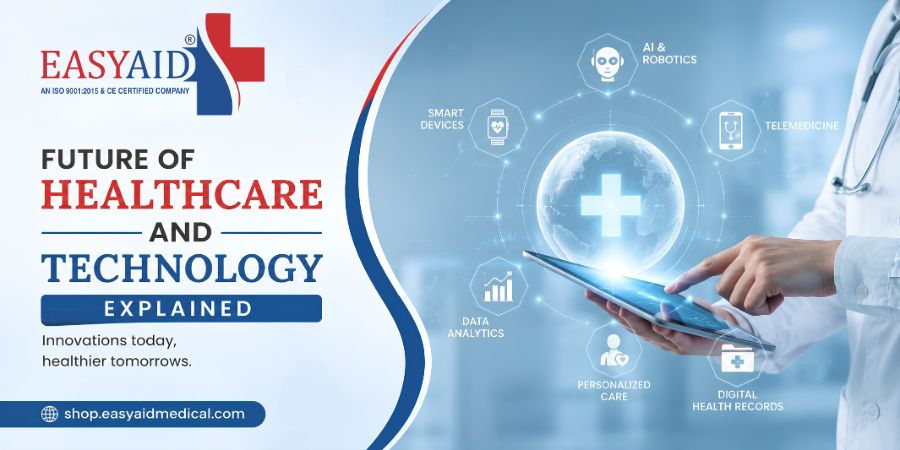
Future of Healthcare and Technology Explained
Healthcare is evolving faster than ever before. Advances in technology are changing how diseases are diagnosed, treatments are delivered, and patients manage their health every day. From virtual doctor consultations and wearable health devices to artificial intelligence and personalized medicine, innovation is reshaping the healthcare landscape across the world.
The future of healthcare is no longer just about treating illnesses. It focuses on preventing diseases, improving patient experiences, making healthcare more accessible, and enabling people to take greater control of their well-being. As technology continues to advance, healthcare systems are becoming smarter, more connected, and increasingly patient-centered.
In this article, we’ll explore how technology is transforming healthcare, the trends that will shape the future, and the daily habits that individuals can adopt to benefit from these innovations.
Understanding the Future of Healthcare
The future of healthcare combines medical expertise with digital technologies to improve patient outcomes while making healthcare services more efficient and accessible.
Rather than relying solely on hospital visits, modern healthcare emphasizes continuous monitoring, preventive care, and personalized treatment plans. Technology enables healthcare professionals to collect accurate health data, identify risks earlier, and deliver better care with greater precision.
Patients also benefit from easier access to medical information, faster communication with healthcare providers, and tools that encourage healthier lifestyles.
Why Technology Is Changing Healthcare
Healthcare systems around the world face growing challenges, including aging populations, rising healthcare costs, increasing chronic diseases, and shortages of medical professionals.
Technology helps address these challenges by:
- Improving diagnostic accuracy
- Reducing administrative workload
- Enhancing patient safety
- Supporting remote healthcare
- Increasing healthcare accessibility
- Promoting preventive care
- Improving communication between patients and providers
As digital solutions continue to evolve, healthcare becomes more efficient while delivering better patient experiences.
Artificial Intelligence Is Transforming Medicine
Artificial Intelligence (AI) is becoming one of the most influential technologies in modern healthcare.
AI systems can analyze large volumes of medical data in seconds, helping healthcare professionals make more informed decisions.
Some common applications include:
Faster Disease Detection
AI-powered imaging tools assist doctors in identifying conditions such as cancer, pneumonia, and heart disease with greater speed and accuracy.
Predictive Healthcare
Machine learning algorithms can identify patients at higher risk of developing chronic conditions, allowing earlier intervention.
Personalized Treatment
AI helps recommend treatment plans based on a patient’s medical history, genetics, and lifestyle factors, improving treatment effectiveness.
While AI supports healthcare professionals, it does not replace medical expertise. Instead, it enhances clinical decision-making and improves efficiency.
Telemedicine is making healthcare more accessible.
Telemedicine has become one of the biggest advancements in recent years.
Instead of visiting a clinic for every consultation, patients can connect with healthcare professionals through secure video calls or mobile apps.
Benefits of telemedicine include:
- Reduced travel time
- Easier access for rural communities
- Faster follow-up appointments
- Lower healthcare costs
- Improved convenience for patients with chronic conditions
Virtual consultations are especially valuable for routine check-ups, medication reviews, and managing long-term health conditions.
Wearable Technology Is Encouraging Preventive Care
Smart health devices are helping people monitor their health throughout the day.
Popular wearable technologies include:
- Smartwatches
- Fitness trackers
- Continuous glucose monitors
- Smart blood pressure monitors
- Sleep tracking devices
These devices collect real-time health data, allowing users to monitor:
- Heart rate
- Physical activity
- Sleep quality
- Blood oxygen levels
- Calories burned
- Stress levels
Healthcare providers can also use this information to identify early warning signs and recommend lifestyle improvements before serious problems develop.
Electronic Health Records Improve Patient Care
Electronic Health Records (EHRs) replace traditional paper files with secure digital records.
This allows healthcare providers to access accurate patient information quickly, reducing delays and improving coordination between specialists.
Benefits include:
- Better communication between healthcare providers
- Reduced medical errors
- Faster diagnosis
- Improved prescription management
- Easier access to medical history
Patients also benefit from greater transparency and easier access to their health information.
Personalized Medicine Is Changing Treatment
Not every patient responds to treatment in the same way.
Advances in genetics and precision medicine are making healthcare more personalized than ever.
Doctors can increasingly tailor treatments based on:
- Genetic information
- Lifestyle habits
- Medical history
- Environmental factors
This personalized approach improves treatment success while reducing unnecessary medications and side effects.
Robotics and Automation in Healthcare
Robotic technology is supporting healthcare professionals in many ways.
Examples include:
Robotic Surgery
Advanced robotic systems allow surgeons to perform complex procedures with greater precision and smaller incisions.
Benefits may include:
- Less pain
- Reduced blood loss
- Faster recovery
- Shorter hospital stays
Hospital Automation
Automation helps streamline administrative tasks such as appointment scheduling, inventory management, and patient registration, allowing healthcare staff to spend more time focusing on patient care.
Digital Health Apps Empower Patients
Health apps have become valuable tools for managing everyday wellness.
Many apps help users:
- Track medications
- Monitor symptoms
- Count daily steps
- Record blood pressure
- Log blood sugar readings
- Manage nutrition
- Improve sleep habits
These digital tools encourage individuals to stay engaged in their healthcare between medical appointments.
Daily Habits That Support the Future of Healthcare
Technology works best when combined with healthy lifestyle choices.
Here are practical daily habits that help you take advantage of modern healthcare innovations:
Stay Physically Active
Aim for at least 30 minutes of moderate exercise most days of the week. Walking, cycling, yoga, and swimming all support heart health and overall wellness.
Eat a Balanced Diet
Choose meals rich in:
- Fruits
- Vegetables
- Whole grains
- Lean protein
- Healthy fats
Proper nutrition supports immunity and reduces the risk of chronic diseases.
Monitor Your Health
If recommended by your healthcare provider, regularly monitor:
- Blood pressure
- Blood sugar
- Weight
- Heart rate
Many smart devices make this easier than ever before.
Prioritize Sleep
Good sleep supports mental health, immune function, and overall recovery.
Aim for seven to nine hours of quality sleep each night.
Keep Digital Health Records Updated
Maintain accurate medical records, including medications, allergies, vaccination history, and previous treatments.
This information helps healthcare providers make informed decisions during emergencies or routine care.
Challenges Facing the Future of Healthcare
Despite rapid innovation, healthcare technology also presents several challenges.
Data Privacy
Protecting patient information remains a top priority. Healthcare organizations continue to strengthen cybersecurity to prevent unauthorized access.
Digital Accessibility
Not everyone has equal access to internet services or digital devices. Expanding healthcare access remains essential for ensuring equal opportunities.
Technology Costs
Advanced medical technologies often require significant investment. Making innovations affordable for healthcare providers and patients remains an ongoing challenge.
Human Connection
While digital tools improve efficiency, compassionate communication between patients and healthcare professionals remains irreplaceable.
Technology should enhance healthcare, not replace meaningful patient relationships.
What the Future Holds
The coming years will likely bring even more exciting developments, including:
- Smarter AI-assisted diagnosis
- Advanced wearable health monitoring
- Remote patient monitoring
- Faster drug development
- Personalized treatment based on genetics
- Improved virtual healthcare experiences
- Greater use of robotics in hospitals
- Enhanced preventive healthcare
These innovations will continue making healthcare more proactive, accessible, and personalized.
Conclusion
The future of healthcare is being shaped by technology that empowers both healthcare professionals and patients. Artificial intelligence, telemedicine, wearable devices, electronic health records, and personalized medicine are creating a healthcare system that focuses not only on treating illness but also on preventing disease and improving quality of life.
However, technology alone cannot guarantee better health. Healthy daily habits such as eating nutritious foods, staying physically active, getting enough sleep, and attending regular health check-ups remain the foundation of lifelong wellness.
By combining modern healthcare innovations with smart lifestyle choices, individuals can take greater control of their health while benefiting from the remarkable advancements transforming medicine today.
As healthcare continues to evolve, embracing these technologies responsibly will help create a healthier, more connected future for everyone.
Frequently Asked Questions (FAQs)
1. What is the future of healthcare?
The future of healthcare focuses on using technologies such as artificial intelligence, telemedicine, wearable devices, and personalized medicine to improve patient care, increase accessibility, and support preventive healthcare.
2. How is artificial intelligence improving healthcare?
AI helps healthcare professionals analyze medical data, detect diseases earlier, improve diagnostic accuracy, personalize treatments, and reduce administrative tasks.
3. Why are wearable health devices becoming popular?
Wearable devices continuously monitor important health indicators such as heart rate, sleep quality, physical activity, and blood oxygen levels, helping individuals manage their health more effectively.
4. Is telemedicine safe and effective?
Yes. Telemedicine provides secure virtual consultations for many routine healthcare needs, improving convenience while maintaining quality medical care for suitable conditions.
5. How can individuals prepare for the future of healthcare?
People can prepare by adopting healthy daily habits, using reliable digital health tools, staying informed about new healthcare technologies, attending regular medical check-ups, and maintaining accurate personal health records.