








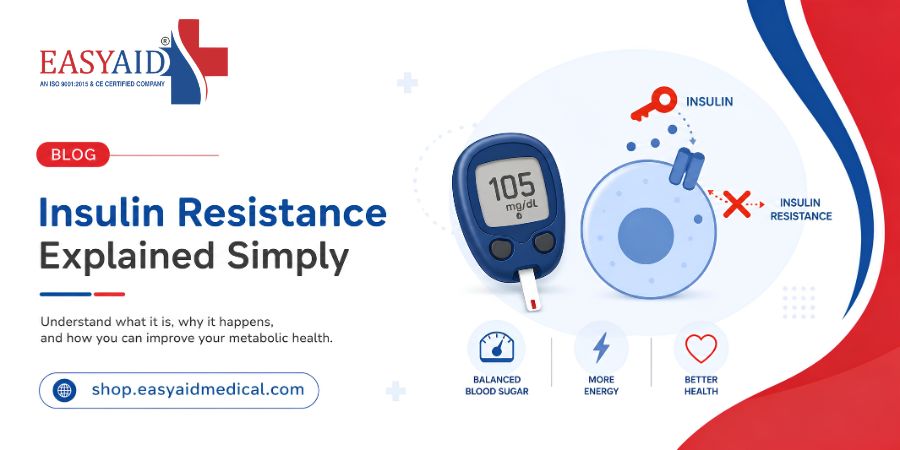
Insulin Resistance Explained Simply
Insulin resistance is a term that is frequently discussed in relation to blood sugar, metabolism, and long-term health. However, many people are unsure what it actually means or why it matters.
Understanding insulin resistance is important because it is closely connected to metabolic health and can influence how the body uses energy. While insulin resistance itself may not cause noticeable symptoms in its early stages, awareness can help individuals make informed lifestyle choices that support overall wellness.
This guide explains insulin resistance in simple language, explores common risk factors, and highlights healthy lifestyle habits that may support metabolic balance.
What is insulin resistance?
Insulin resistance occurs when the body’s cells become less responsive to insulin, making it more difficult for glucose (sugar) to move from the bloodstream into cells for energy.
As a result:
- The body may need to produce more insulin
- Blood sugar regulation becomes less efficient
- Metabolic balance may be affected over time
Insulin resistance is often discussed as an important aspect of overall metabolic health.
Understanding Insulin: The Basics
To understand insulin resistance, it helps to know how insulin works.
What is insulin?
Insulin is a hormone produced by the pancreas.
Its primary role is to:
- Help glucose enter cells
- Support energy production
- Assist in maintaining balanced blood sugar levels
Think of insulin as a “key” that helps unlock cells so they can use glucose for fuel.
How Insulin Resistance Happens
When cells become less sensitive to insulin, the process changes.
Normal Process
Food Intake
      ↓
Glucose Enters Bloodstream
      ↓
Insulin Released
      ↓
Cells Absorb Glucose
      ↓
Energy Production
With Insulin Resistance
Food Intake
      ↓
Glucose Enters Bloodstream
      ↓
Insulin Released
      ↓
Cells Respond Less Efficiently
      ↓
More Insulin Needed
This simplified explanation helps illustrate why insulin resistance is associated with metabolic health concerns.
Why Insulin Resistance Matters
Insulin plays a central role in energy regulation.
When cells respond less effectively to insulin, it can affect:
- Blood sugar balance
- Energy levels
- Metabolic function
- Long-term wellness
This is why awareness of insulin resistance is increasingly important in preventive health discussions.
Common Risk Factors for Insulin Resistance
Several factors may contribute to reduced insulin sensitivity.
Lifestyle Factors
- Physical inactivity
- Excess calorie intake
- Poor sleep habits
- Chronic stress
Health and Biological Factors
- Family history
- Age-related changes
- Excess body fat, particularly around the abdomen
Not everyone with risk factors develops insulin resistance, but understanding them supports better health awareness.
Also Read – Metabolic Health and Lifestyle: Complete Guide
Possible Signs Associated With Insulin Resistance
Insulin resistance often develops gradually and may not cause obvious symptoms initially.
Some individuals may experience:
- Fatigue or low energy
- Increased hunger
- Difficulty maintaining healthy weight
- Brain fog or reduced concentration
- Increased cravings for sugary foods
These signs can be associated with many conditions and should not be used for self-diagnosis.
Insulin Resistance and Metabolic Health
Insulin sensitivity is one component of overall metabolic wellness.
Metabolic Health Includes:
- Blood sugar regulation
- Energy balance
- Cholesterol levels
- Blood pressure
- Body composition
Healthy lifestyle habits support multiple aspects of metabolic health simultaneously.
Insulin Resistance vs Diabetes: Understanding the Difference
Many people confuse insulin resistance with diabetes.
| Insulin Resistance | Diabetes |
|---|---|
| Cells respond less effectively to insulin | A medical condition affecting blood sugar regulation |
| Often develops gradually | Requires medical diagnosis |
| May occur without noticeable symptoms | May involve more obvious symptoms |
| Focuses on insulin sensitivity | Focuses on blood glucose management |
Understanding this distinction is important for healthcare literacy.
How Lifestyle Influences Insulin Sensitivity
Daily habits can influence how efficiently the body uses insulin.
1. Physical Activity
Movement supports healthy metabolic function.
Benefits Include
- Improved energy utilization
- Better overall wellness
- Support for healthy body composition
Even regular walking contributes to overall health.
2. Nutrition
Balanced eating patterns support metabolic health.
Helpful Habits
- Eating whole foods
- Including vegetables and fruits
- Choosing fiber-rich foods
- Staying hydrated
A balanced diet supports overall wellness rather than focusing on specific outcomes.
3. Sleep Quality
Sleep plays an important role in hormone regulation.
Poor Sleep May Affect
- Energy balance
- Appetite regulation
- Daily functioning
Consistent sleep habits support healthy lifestyle goals.
4. Stress Management
Chronic stress can influence hormonal balance.
Healthy Stress Management Techniques
- Mindfulness
- Relaxation exercises
- Physical activity
- Adequate rest
Managing stress supports both mental and physical well-being.
The Modern Lifestyle Connection
Modern lifestyles often involve:
- Long sitting hours
- Increased screen time
- High stress levels
- Irregular eating schedules
These factors may influence metabolic wellness over time.
Awareness helps individuals make more informed lifestyle choices.
Healthy Daily Habits for Metabolic Wellness
✅ Stay Physically Active
Include movement throughout the day.
✅ Eat Balanced Meals
Focus on variety and nutrient-rich foods.
✅ Prioritize Sleep
Maintain regular sleep routines.
✅ Manage Stress
Incorporate relaxation into daily life.
✅ Attend Preventive Health Check-Ups
Regular monitoring supports health awareness.
Importance of Preventive Healthcare
Regular health assessments help individuals stay informed about their overall wellness.
Common Preventive Measures
- Blood sugar monitoring
- Blood pressure checks
- Cholesterol screening
- Routine health evaluations
Preventive healthcare supports informed decision-making.
Common Myths About Insulin Resistance
Myth 1: Only People With Obesity Experience Insulin Resistance
Multiple factors can influence insulin sensitivity.
Myth 2: Insulin Resistance Always Causes Symptoms
Many people may not notice obvious signs initially.
Myth 3: It Only Affects Older Adults
Metabolic health awareness is important at all ages.
When to Consult a Healthcare Professional
You should consult a healthcare professional if you have concerns about blood sugar regulation, persistent fatigue, or metabolic health.
Healthcare professionals can provide appropriate evaluation and personalized guidance.
Role of Lifestyle in Long-Term Wellness
Long-term health is often influenced by consistent daily habits.
Learn more about healthy lifestyle practices here: 👉 https://easyaidmedical.com/blog.html
Building sustainable habits supports overall wellness and metabolic balance.
Conclusion
Understanding insulin resistance is an important part of healthcare literacy and metabolic health awareness. It refers to a reduced response of body cells to insulin, which can affect how glucose is used for energy.
While insulin resistance is often discussed in relation to metabolic health, it is important to focus on overall wellness rather than isolated factors. Balanced nutrition, physical activity, quality sleep, stress management, and preventive healthcare all contribute to healthier lifestyle outcomes.
Small, consistent lifestyle improvements can support long-term health and well-being.
FAQs
1. What is insulin resistance?
Insulin resistance occurs when body cells become less responsive to insulin, making glucose utilization less efficient.
2. What causes insulin resistance?
Multiple factors may contribute, including lifestyle habits, family history, stress, sleep patterns, and overall metabolic health.
3. What are common signs associated with insulin resistance?
Fatigue, increased hunger, difficulty maintaining healthy weight, and low energy may be associated with insulin resistance.
4. Is insulin resistance the same as diabetes?
No. Insulin resistance refers to reduced insulin sensitivity, while diabetes is a medical condition involving blood sugar regulation.
5. Can lifestyle habits influence insulin sensitivity?
Yes. Physical activity, nutrition, sleep quality, stress management, and overall lifestyle habits can influence metabolic health.