








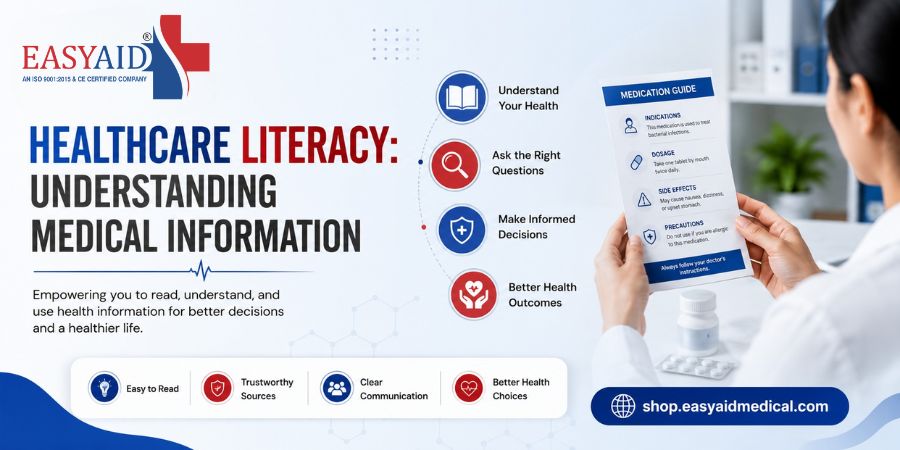
Healthcare Literacy: Understanding Medical Information
In today’s information-driven world, people are constantly exposed to medical advice, health reports, prescriptions, and online wellness content. However, understanding this information correctly can often feel overwhelming.
This is where healthcare literacy becomes essential. Healthcare literacy is not just about reading medical terms—it’s about understanding health information well enough to make informed decisions about your care, treatment, and overall well-being.
As healthcare systems become more complex and digital health information grows rapidly, improving healthcare literacy has become one of the most important aspects of preventive and patient-centred care.
What Is Healthcare Literacy?
Healthcare literacy is the ability to find, understand, evaluate, and use medical information to make informed health decisions.
It includes understanding the following:
- Medical instructions
- Prescriptions
- Diagnostic reports
- Health insurance information
- Preventive healthcare advice
Good healthcare literacy empowers individuals to take better control of their health.
Why Healthcare Literacy Matters
Healthcare decisions affect every stage of life. Without proper understanding, people may misinterpret information, delay treatment, or make unsafe health choices.
Key Benefits of Healthcare Literacy
- Improves communication with healthcare providers
- Helps patients follow treatment plans correctly
- Reduces medical misunderstandings
- Encourages preventive healthcare
- Improves long-term health outcomes
Strong healthcare literacy leads to more confident and informed healthcare decisions.
Also Read – Mental Health Awareness in Work-From-Home Culture
Common Challenges in Understanding Medical Information
Medical information can often feel confusing because of:
1. Complex Medical Terminology
Healthcare documents often contain technical language.
2. Information Overload
Online health content can be overwhelming and contradictory.
3. Misleading Health Claims
Not all online medical information is accurate.
4. Lack of Awareness
Many people are unfamiliar with basic healthcare concepts.
These challenges highlight why healthcare education is so important.
Key Areas of Healthcare Literacy
Understanding healthcare involves several important areas:
- Reading prescriptions correctly
- Understanding medical reports
- Interpreting nutrition labels
- Knowing preventive care basics
- Understanding treatment instructions
Each of these skills contributes to better health management.
How to Read Medical Prescriptions Correctly
One of the most important parts of healthcare literacy is understanding prescriptions.
Key Components of a Prescription
| Section | Meaning |
|---|---|
| Medication Name | Name of the prescribed medicine |
| Dosage Instructions | How and when to take it |
| Frequency | Number of times per day |
| Duration | How long to continue use |
| Precautions | Safety instructions |
Important Tips
- Follow instructions carefully
- Never self-adjust medications
- Ask questions if instructions are unclear
Understanding Medical Reports
Medical tests and reports can seem intimidating, but basic understanding helps patients stay informed.
Common Reports Include:
- Blood tests
- Blood pressure readings
- Cholesterol reports
- Blood sugar levels
Why Understanding Matters
Knowing what your reports indicate helps you track your health more effectively.
Healthcare Literacy in the Digital Age
Today, many people search online for health advice before consulting professionals.
Benefits of Digital Health Information
- Quick access to knowledge
- Increased awareness
- Better health education
Risks
- Misinformation
- Self-diagnosis
- Confusion from unreliable sources
Evaluating online information critically is essential.
How to Identify Reliable Health Information
Look For:
- Trusted medical organizations
- Evidence-based information
- Qualified healthcare sources
Avoid:
- Unrealistic health claims
- Unverified social media advice
- Sensational headlines
Good healthcare literacy includes recognising trustworthy sources.
The Role of Preventive Healthcare Education
Healthcare literacy is closely connected to prevention.
Preventive practices include the following:
- Regular health screenings
- Vaccinations
- Healthy lifestyle habits
- Early symptom recognition
Educated individuals are more likely to take preventive action.
Healthcare Literacy and Lifestyle Choices
Understanding health information improves everyday decisions.
Healthy Lifestyle Factors:
- Balanced nutrition
- Exercise and physical activity
- Sleep quality
- Stress management
Why Communication with Doctors Matters
Effective communication improves healthcare outcomes.
Tips for Better Communication
- Ask questions clearly
- Share symptoms honestly
- Keep track of medications
- Understand follow-up instructions
Good communication is a core part of healthcare literacy.
Healthcare Literacy in India
In India, healthcare awareness is improving, but challenges still exist.
Common Issues:
- Language barriers
- Limited access to reliable health information
- Rural healthcare awareness gaps
Increasing health education is essential for improving public health outcomes.
Benefits of Improving Healthcare Literacy
Improving healthcare literacy helps individuals make informed medical decisions, follow treatments correctly, and maintain better overall health.
Long-Term Benefits
- Better disease prevention
- Reduced healthcare errors
- Improved quality of life
- Greater confidence in health decisions
Common Mistakes People Make
Examples:
- Ignoring prescription instructions
- Believing unverified online remedies
- Delaying professional consultation
- Self-medicating unnecessarily
Avoiding these mistakes supports safer healthcare decisions.
How to Improve Your Healthcare Literacy
Practical Steps:
- Ask healthcare professionals questions
- Read trusted health resources
- Learn basic medical terms
- Keep personal health records organized
Continuous learning improves confidence and understanding.
Conclusion
Healthcare literacy is one of the most valuable skills in today’s world. It empowers individuals to understand medical information, make informed decisions, and take better care of their health.
By improving healthcare literacy, people can reduce confusion, avoid misinformation, and build healthier, more informed lives.
FAQs
1. What is healthcare literacy?
Healthcare literacy is the ability to understand and use medical information to make informed health decisions.
2. Why is healthcare literacy important?
It helps people understand treatments, follow medical advice, and improve health outcomes.
3. How can I improve healthcare literacy?
By reading trusted sources, asking questions, and learning basic medical concepts.
4. What are examples of healthcare literacy?
Understanding prescriptions, reading medical reports, and evaluating health information online.
5. How does healthcare literacy affect health outcomes?
Better understanding leads to safer decisions, improved prevention, and better treatment adherence.